In the world of witchcraft lore and literature, familiars are often more than just companions—they are symbols of power, catalysts for transformation, and reflections of a witch’s innermost desires. These mystical creatures, usually depicted as animals, have long been intertwined with the image of the witch, serving as spiritual guides, protectors, or manipulators. In The Revenge of the Witch: The Colt Family Journal of Death by D.A. Clarke, the familiar Magus plays a central role, embodying both the allure and danger of these enigmatic beings.
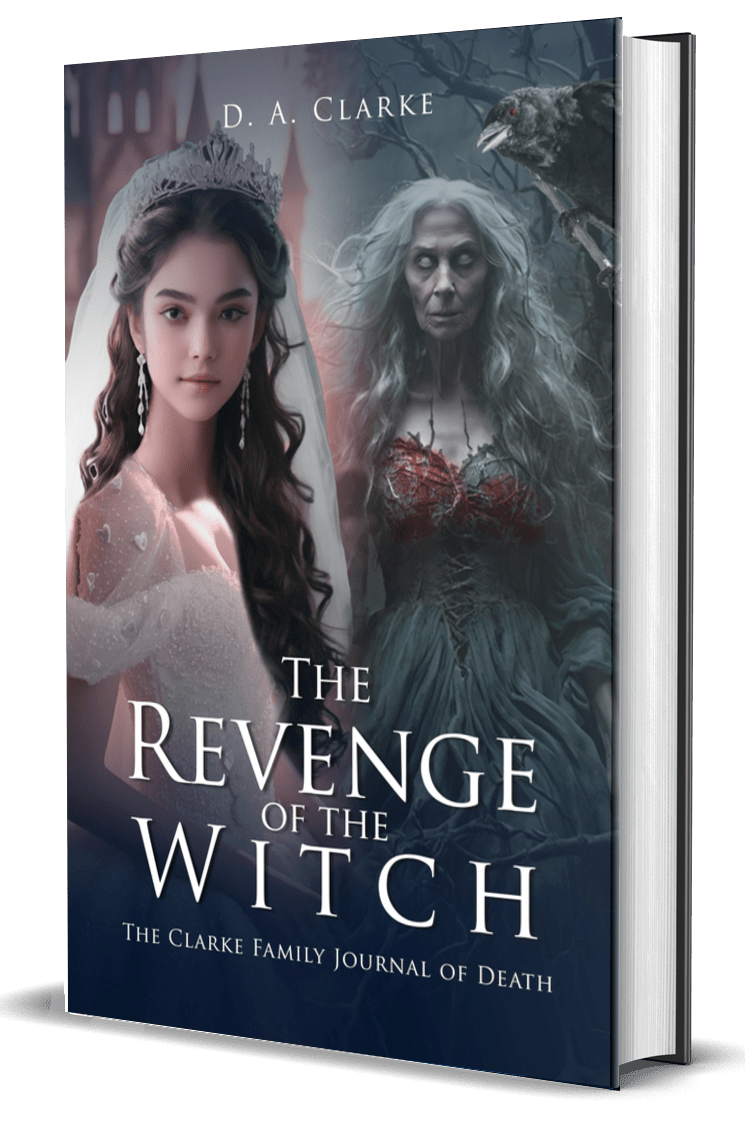
Historically, familiars were seen as supernatural entities, often accused of being demonic accomplices to witches. In European folklore, they were believed to assist witches in their craft, acting as mediators between the mortal and supernatural realms. Cats, ravens, and toads became the most common depictions, likely due to their mysterious behaviors or nocturnal habits. These associations fueled witch trials, where owning such an animal could be damning evidence of sorcery.
In fiction, familiars are given a deeper narrative purpose. They often reflect the emotional and psychological state of the witch they serve, becoming extensions of their personality or inner struggles. In Clarke’s novel, Magus begins as a mysterious raven and evolves into a manipulative presence, leading protagonist Hannah further into the dark arts. Initially a mentor figure, Magus exploits Hannah’s vulnerabilities, symbolizing the seductive yet dangerous path of unchecked power.
This dynamic mirrors broader literary themes. Familiars often blur the lines between ally and adversary, loyalty and betrayal. They can be nurturing, as seen with Salem in Sabrina the Teenage Witch, or sinister, as with the serpent in biblical tales. In many cases, their duality underscores the moral ambiguity of witchcraft itself—both a source of empowerment and a potential downfall.
Modern depictions of familiars have shifted to explore themes of autonomy and identity. Rather than merely serving witches, they often have agendas of their own. Magus in The Revenge of the Witch exemplifies this, masquerading as a guide while subtly steering Hannah toward isolation and destruction. This evolution reflects changing societal views, where even mystical characters are given complex motives and arcs, making them relatable and compelling.

Familiars also serve as a lens through which to examine human relationships. They mirror our need for companionship and understanding, even when it comes with strings attached. Hannah’s bond with Magus highlights her yearning for guidance and connection after betrayal and loss, making his eventual manipulation all the more tragic.
The enduring appeal of familiars lies in their ability to weave together the mystical and the personal. Whether as helpers, manipulators, or something in between, they enrich witchcraft narratives by embodying the tension between power and vulnerability. In Clarke’s The Revenge of the Witch, Magus reminds us that the forces we summon—be they supernatural or emotional—can shape our destinies in ways both wondrous and perilous.