Revenge is a universal theme in literature, exploring the fine line between justice and moral decay. From Shakespeare’s Hamlet to modern tales like The Revenge of the Witch: The Colt Family Journal of Death by D.A. Clarke, stories of vengeance tap into deep human emotions, forcing readers to confront uncomfortable questions: Is revenge ever justified? And if so, at what cost?.
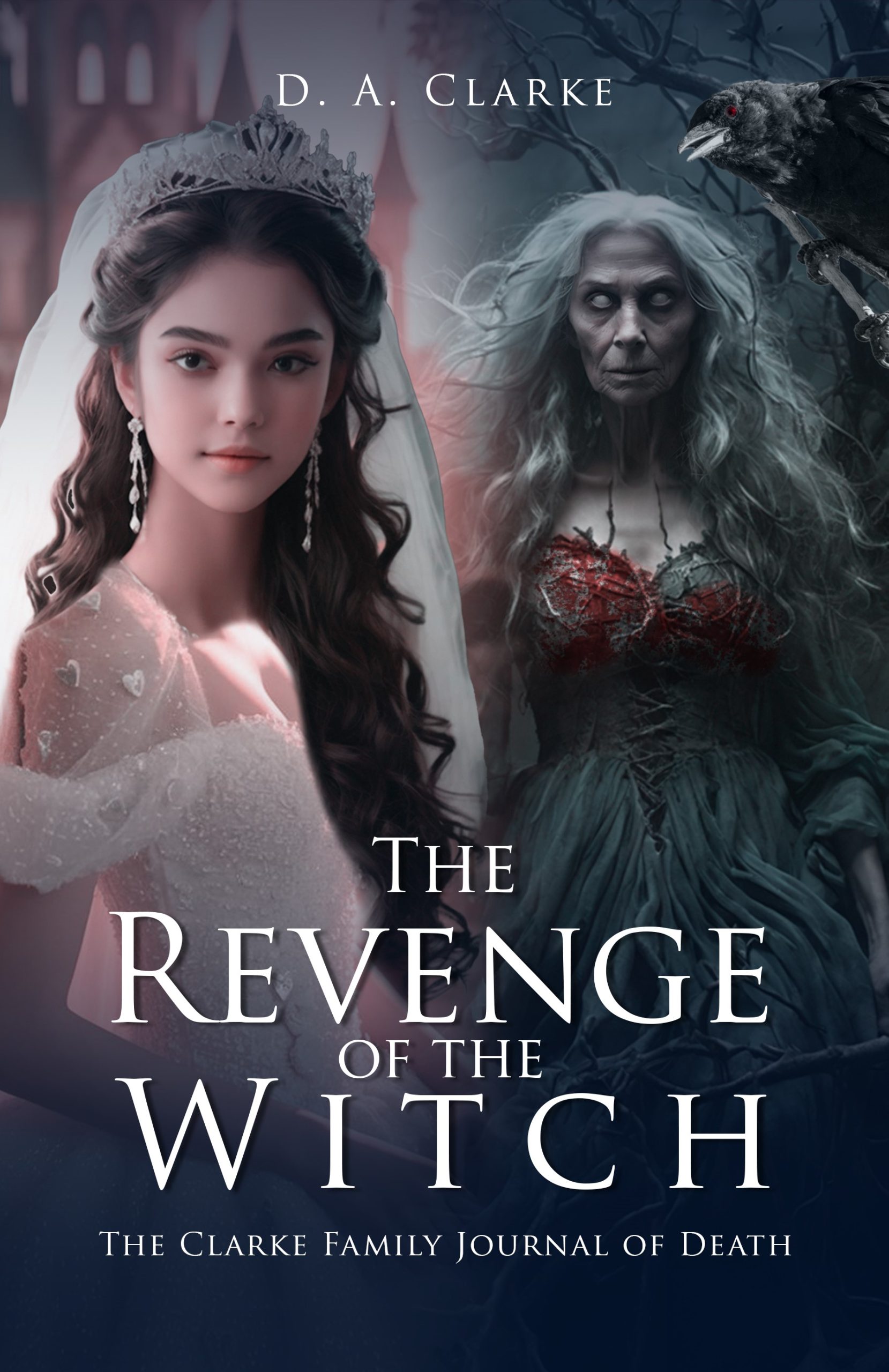
At its core, revenge offers characters a sense of agency in the face of injustice. In Clarke’s novel, Hannah, betrayed by her husband and manipulated by the enigmatic Magus, turns to witchcraft as a means of reclaiming control. Her pursuit of retribution feels both cathartic and dangerous, as her actions blur the lines between justified punishment and destructive obsession. This duality mirrors real-life dilemmas: while the desire for justice is innate, unchecked vengeance often leads to unforeseen consequences.
Literature frequently uses revenge as a narrative device to expose the moral complexity of its characters. Protagonists seeking vengeance are rarely entirely heroic; their journeys are marked by internal conflict, ethical compromises, and, often, unintended collateral damage. Hannah’s transformation is a case in point. What begins as a quest to avenge her husband’s infidelity becomes a descent into darkness, manipulated by Magus’s sinister influence. Her struggle exemplifies how the pursuit of revenge can erode one’s sense of self, leaving behind scars that run deeper than the original wound.
The ethics of revenge also extend beyond the individual, affecting broader societal structures. In many stories, acts of retribution spark cycles of violence, implicating entire communities. Clarke’s depiction of Hannah’s actions against those who wronged her highlights this ripple effect. Revenge, no matter how personal, rarely exists in isolation—it inevitably entangles others, perpetuating harm and moral decay.
Yet, literature also acknowledges the human desire for closure and accountability. When formal systems of justice fail, revenge can feel like the only recourse. This tension between societal norms and personal grievance makes revenge narratives timeless. They reflect a universal truth: when justice is elusive, the thirst for retribution becomes almost irresistible.

Modern interpretations of revenge in literature often add nuance by questioning whether it leads to true fulfillment. For characters like Hannah, revenge initially offers empowerment but ultimately leaves her isolated and vulnerable. Readers are left pondering whether vengeance, even when justified, is worth the toll it exacts.
In The Revenge of the Witch: The Colt Family Journal of Death, Clarke masterfully captures this moral ambiguity, crafting a story that challenges readers to evaluate their own beliefs about justice and revenge. Does revenge restore balance, or does it tip the scales toward further chaos? Through Hannah’s journey, the novel suggests that while revenge may provide temporary satisfaction, it often leads to unintended consequences that haunt those who seek it.
Ultimately, the ethics of revenge in literature serve as a mirror, reflecting our deepest fears and desires. These stories compel us to confront the price of vengeance, reminding us that justice, true justice, must transcend the cycle of harm if it is to heal rather than destroy.